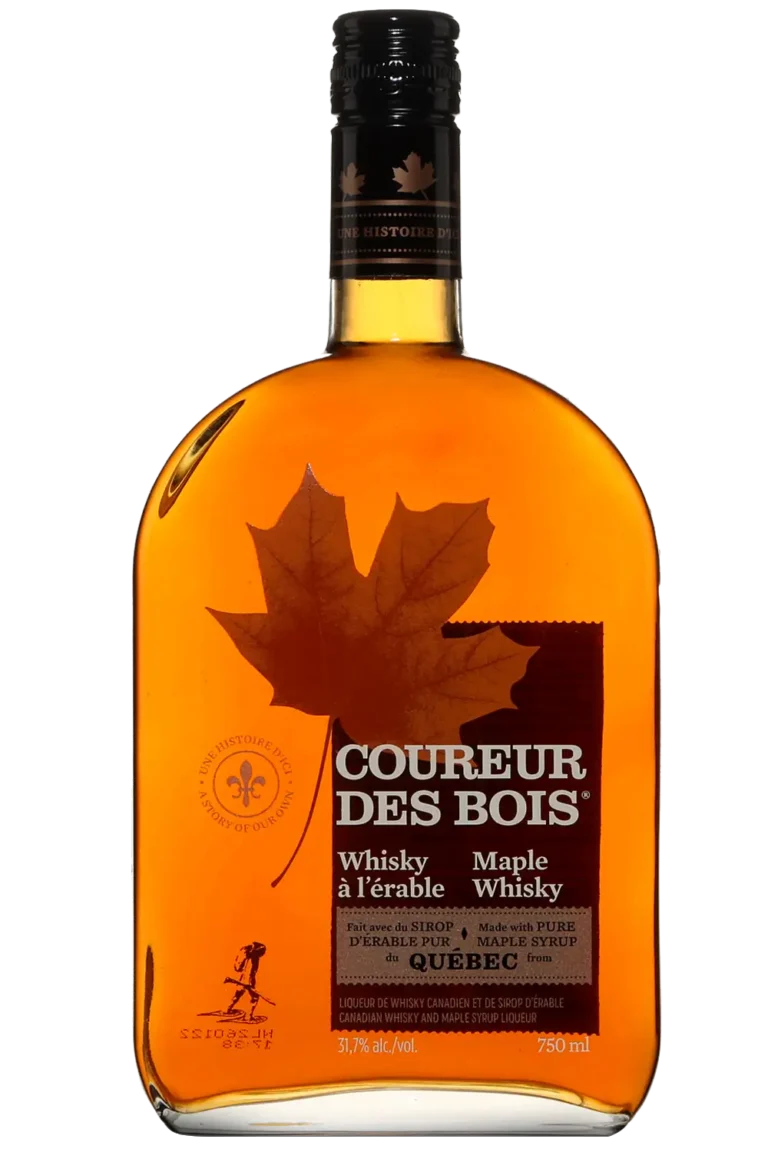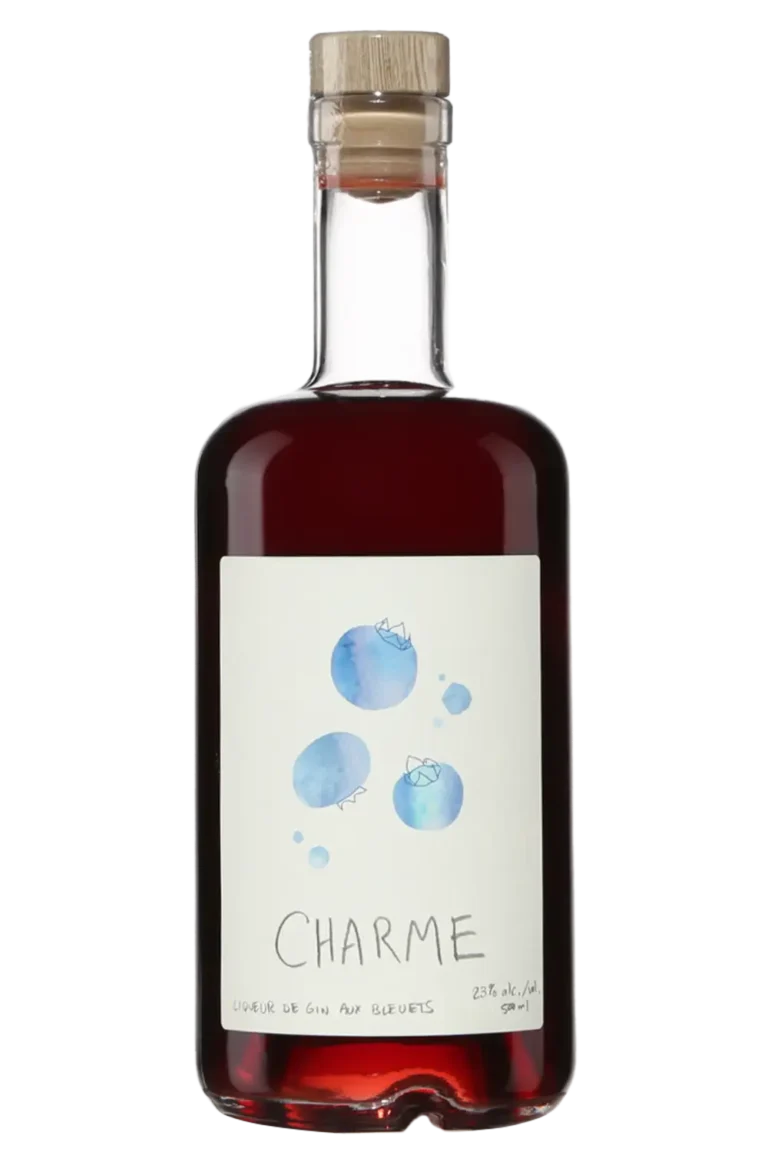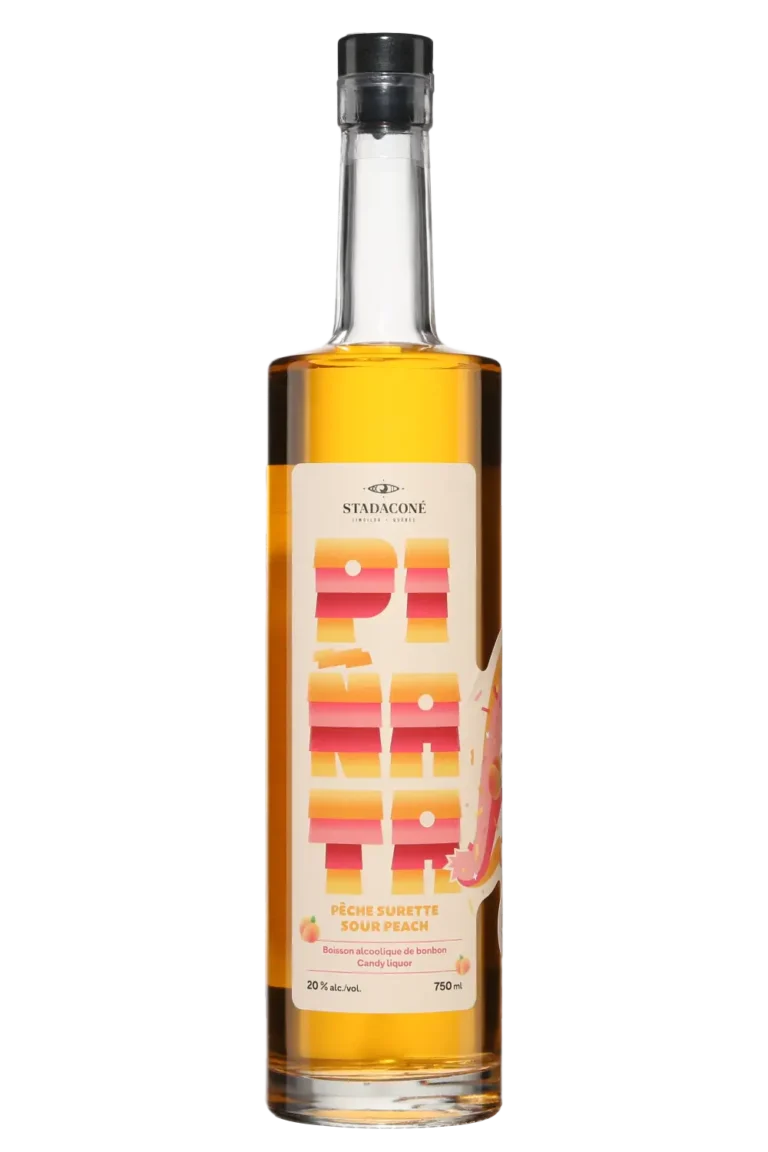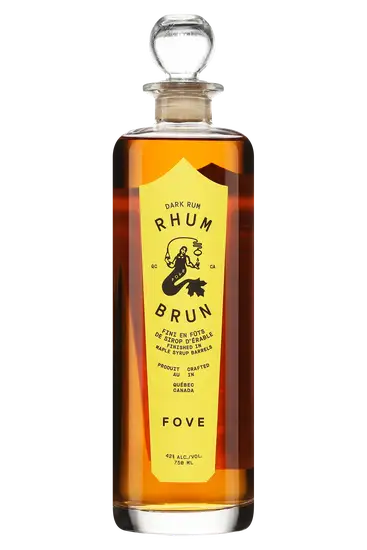





CONSIGNE 27 PROJECT
The Consigne 27 initiative brings together Quebec distilleries and technical partners around a single goal: making the spirit bottle reuse system both economically and environmentally more efficient than repeatedly purchasing new containers.


Baseline premise: Why address the topic of reuse in 2026?
The Consigne 27 project was born during the development of a 2024 climate action plan. Various initiatives were evaluated to reduce environmental impact while ensuring strong business profitability.
One action stood out significantly within the strategy due to its profitability: the reuse of glass spirit bottles. Our consulting firm has now been working on this project for over a year and a half.
With Consignaction’s announcement of deposit-return for spirit bottles coming into force in March 2027, this practice becomes an essential strategic lever.
This regulation radically transforms the context:
- It facilitates large-scale collection.
- It makes the reuse model economically more efficient than repeatedly purchasing new glass.
Participating distilleries
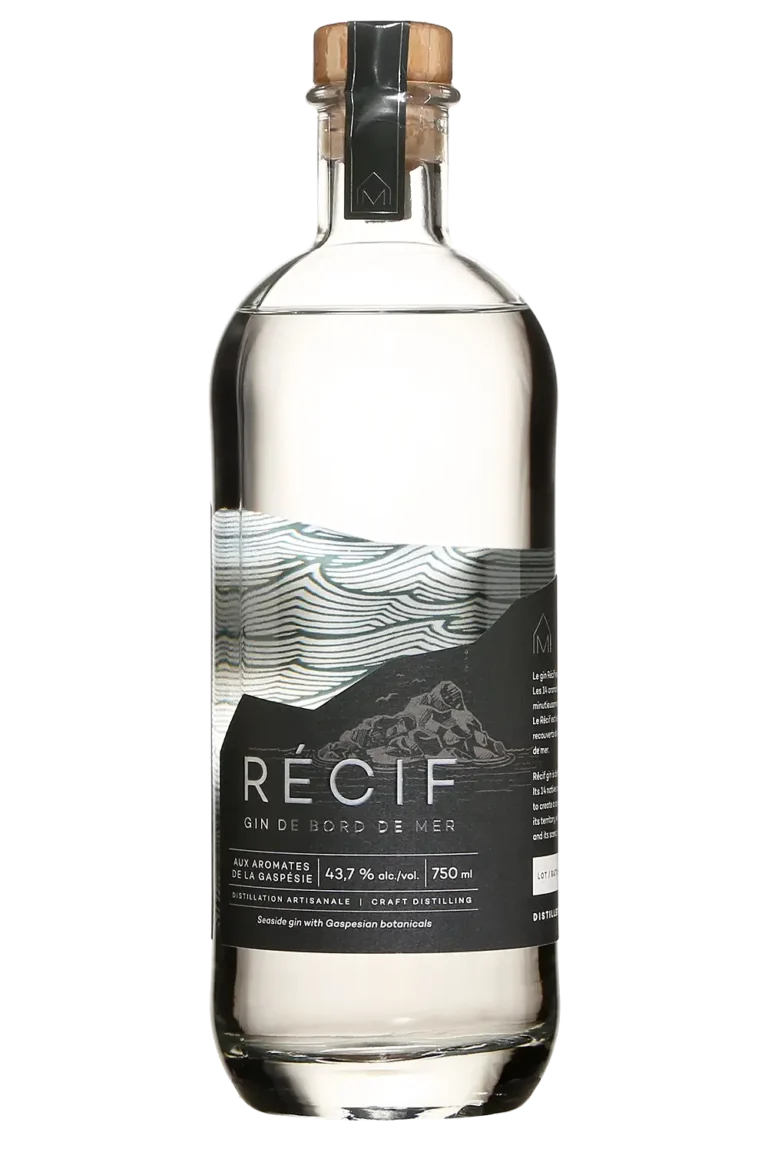
Des Marigots Distillery
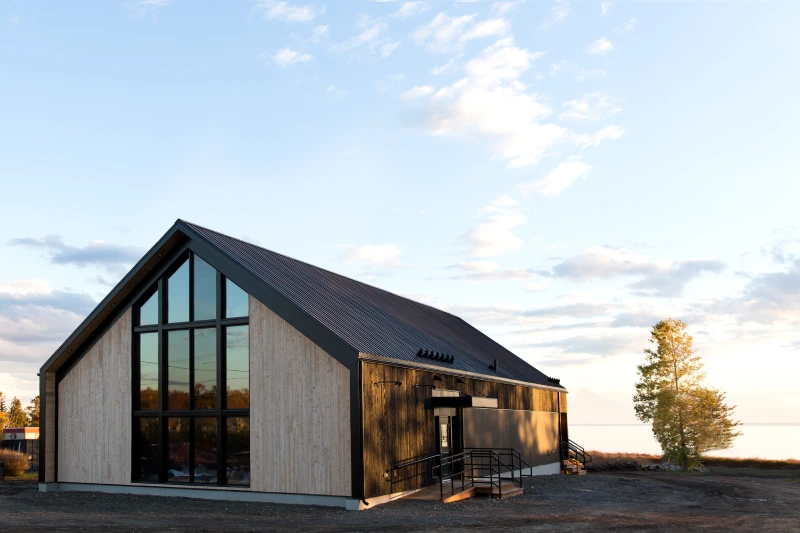
Located in Caplan in the heart of the Baie-des-Chaleurs, Des Marigots Distillery shapes its identity to the rhythm of the tides and the Gaspé coastline. Prioritizing slow, meticulous distillation of marine and forest botanicals, the company places time and transparency at the core of its approach to craft refined spirits true to their terroir.
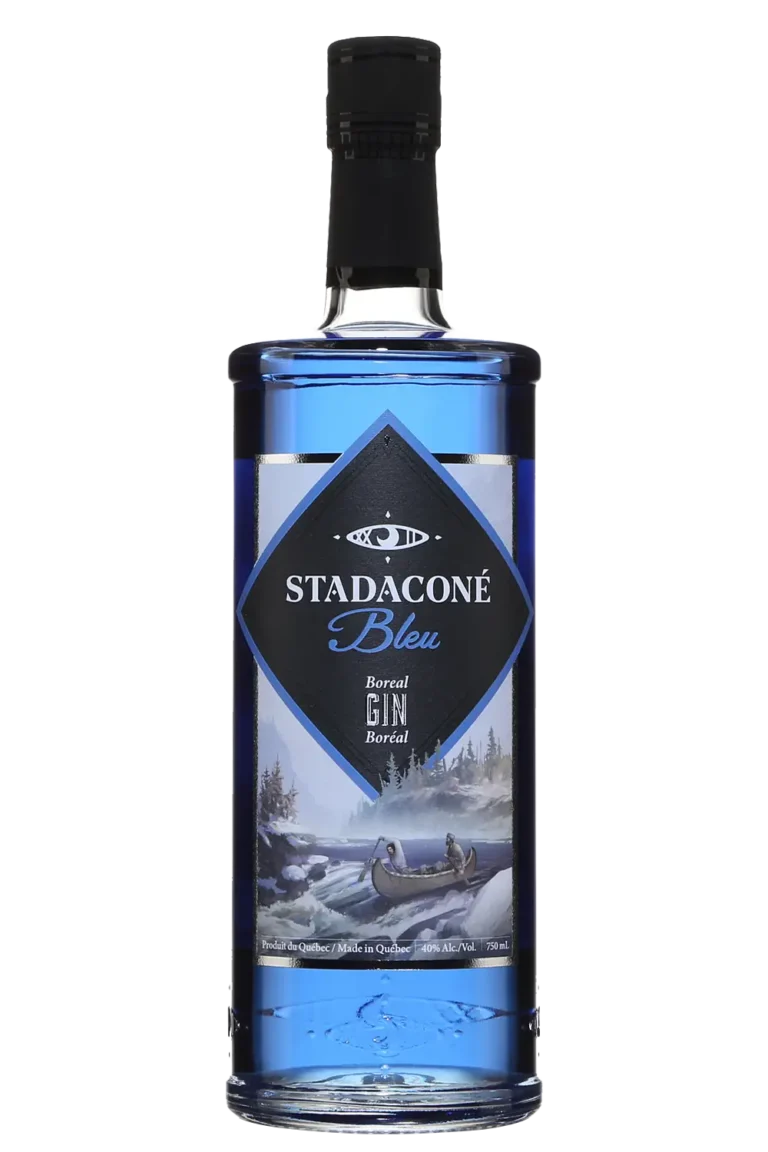
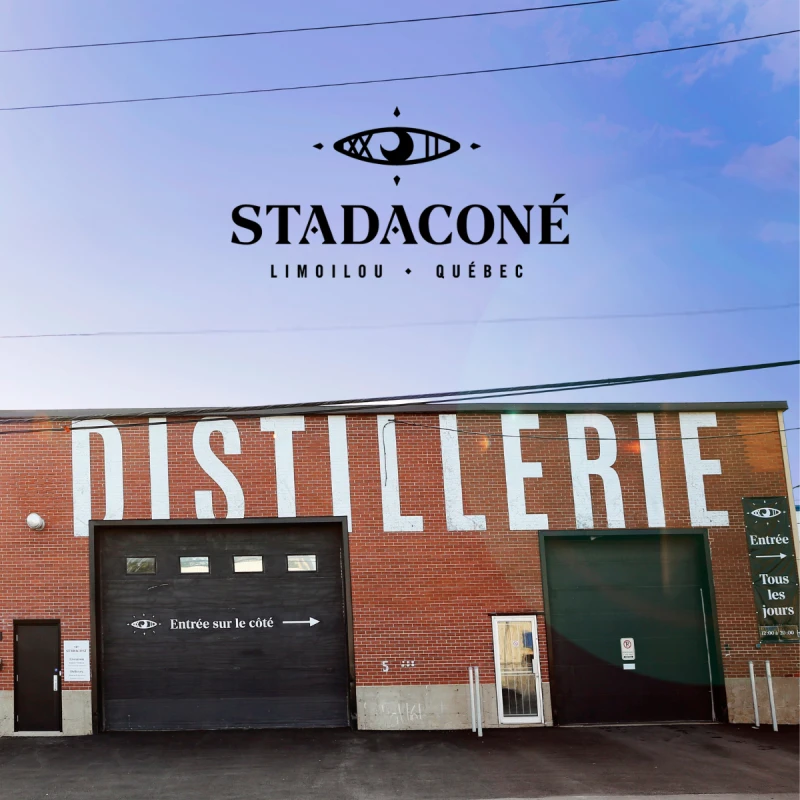
Stadaconé Distillery
Established in Quebec City, Stadaconé Distillery celebrates the spirit of exploration through surprising aromatic blends. Renowned for the immersive historical tour within its facilities, the company pairs the creativity of its spirits with an authentic cultural adventure that captivates spirits enthusiasts.
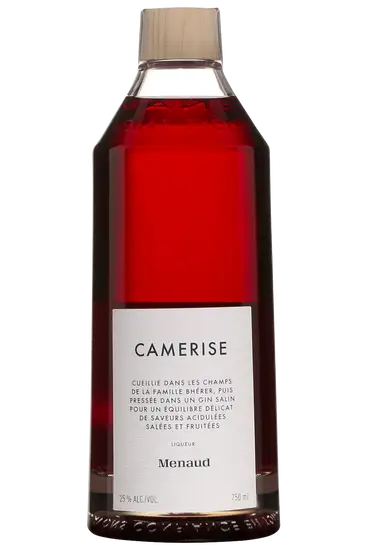
Menaud Distillery
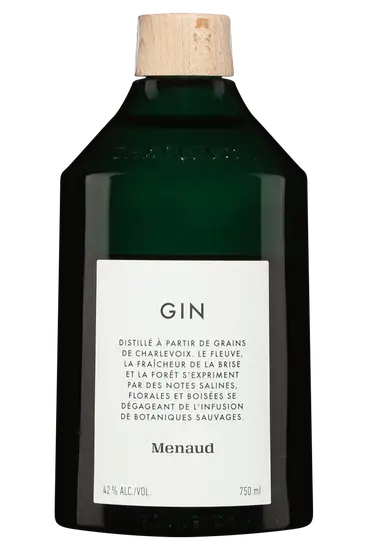
Located in Clermont, Menaud Distillery showcases Charlevoix's agricultural and botanical riches by independently orchestrating every stage of production. From Isle-aux-Coudres grains to locally harvested wild plants, it crafts exceptional spirits housed in bottles with globally award-winning contemporary design.
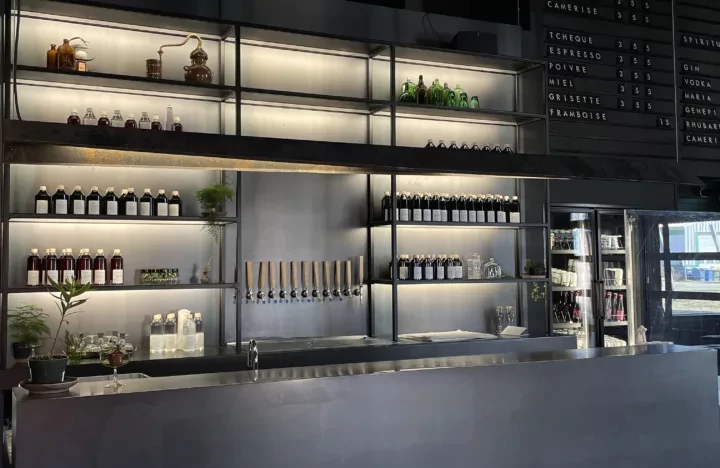
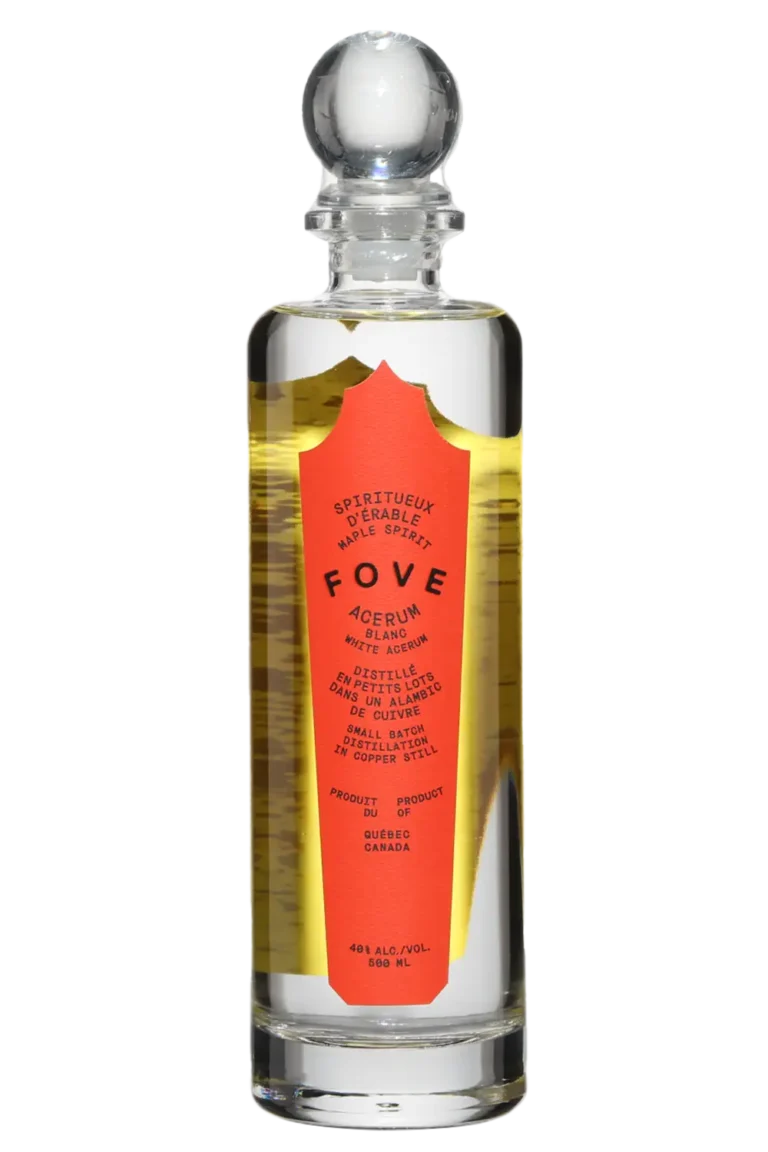
FOVE Distillery
FOVE Distillery explores the transformation of raw materials through a vision combining science and conviviality. Through precise work on fermentation yeasts and artisanal small-batch distillation, its creations reveal complex organoleptic profiles crafted to elevate shared moments.
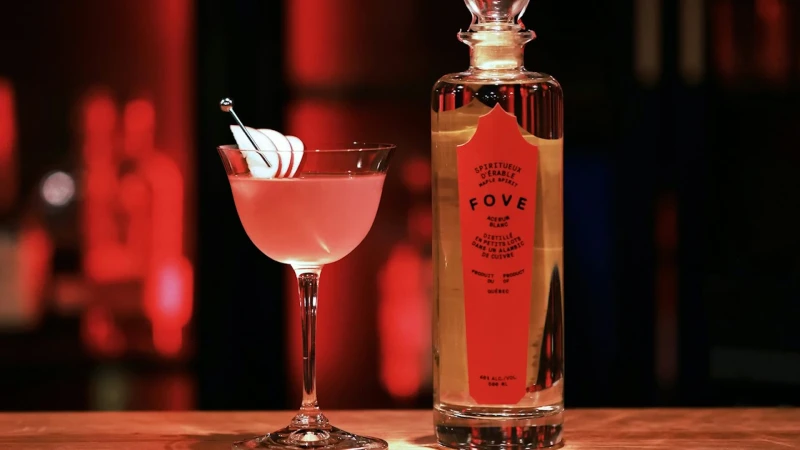
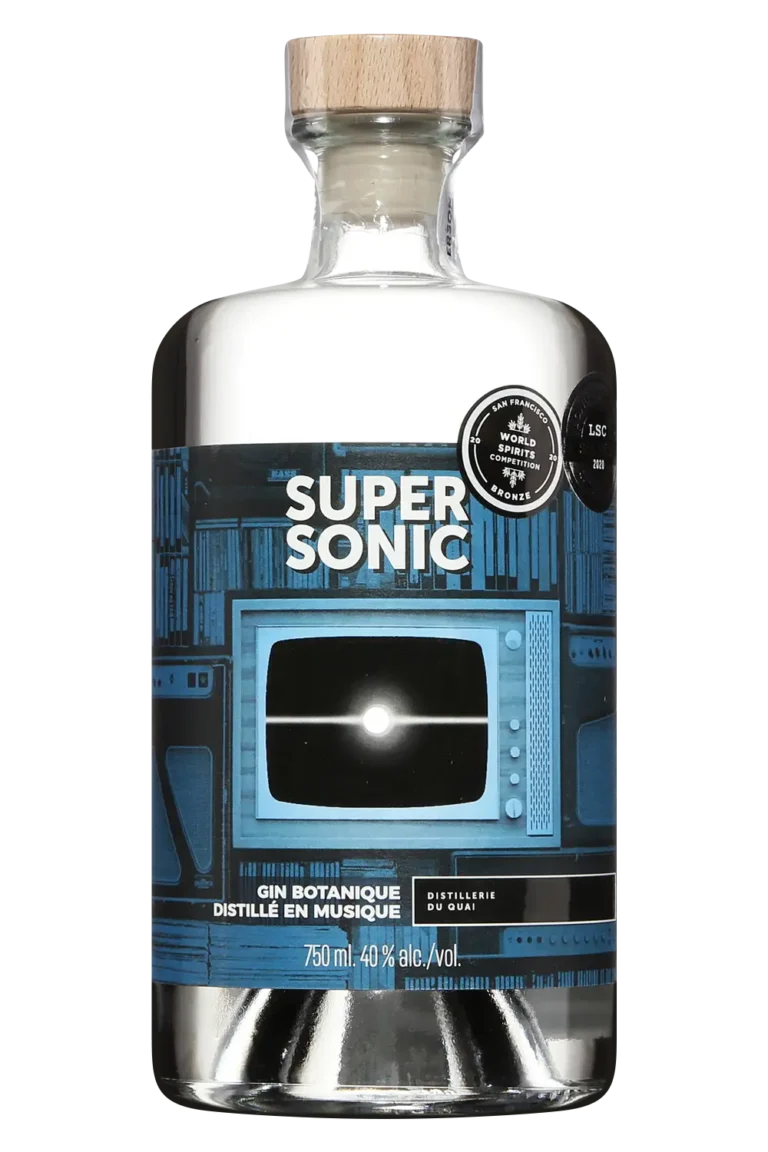
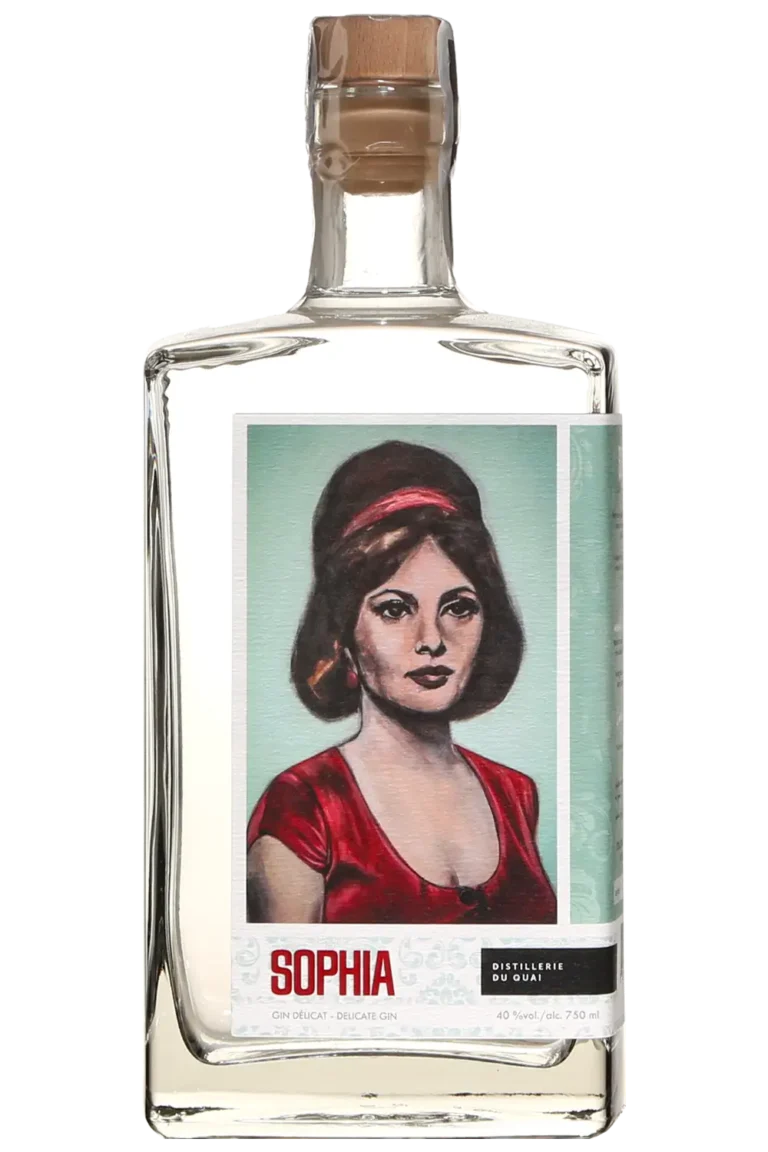
Du Quai Distillery
Located in Bécancour along the shores of the St. Lawrence River, Du Quai Distillery pairs a classic copper pot still with an innovative sound-distillation approach set to the rhythm of music. This blend of traditional technique and artistic creativity gives rise to harmonious spirits of high aromatic quality.
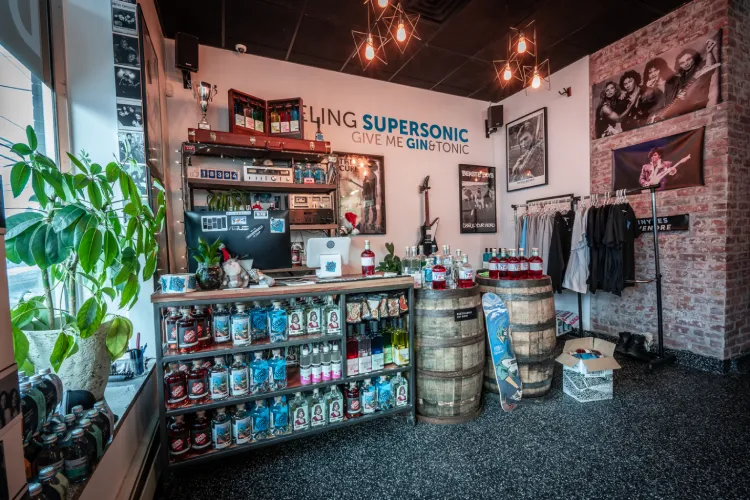
Absintherie des Cantons
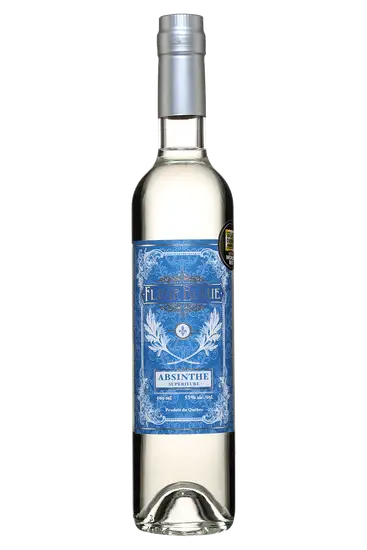
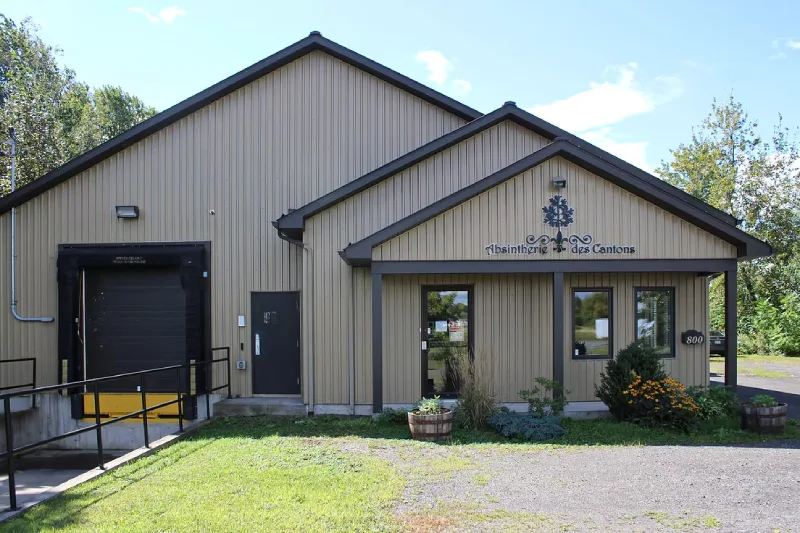
A family microdistillery located in Granby, Absintherie des Cantons revives the legend of the green fairy through craftsmanship drawn from the beverage's European heritage. Featuring locally hand-picked botanicals and slow distillation in small batches, it delivers an authentic absinthe true to tradition.
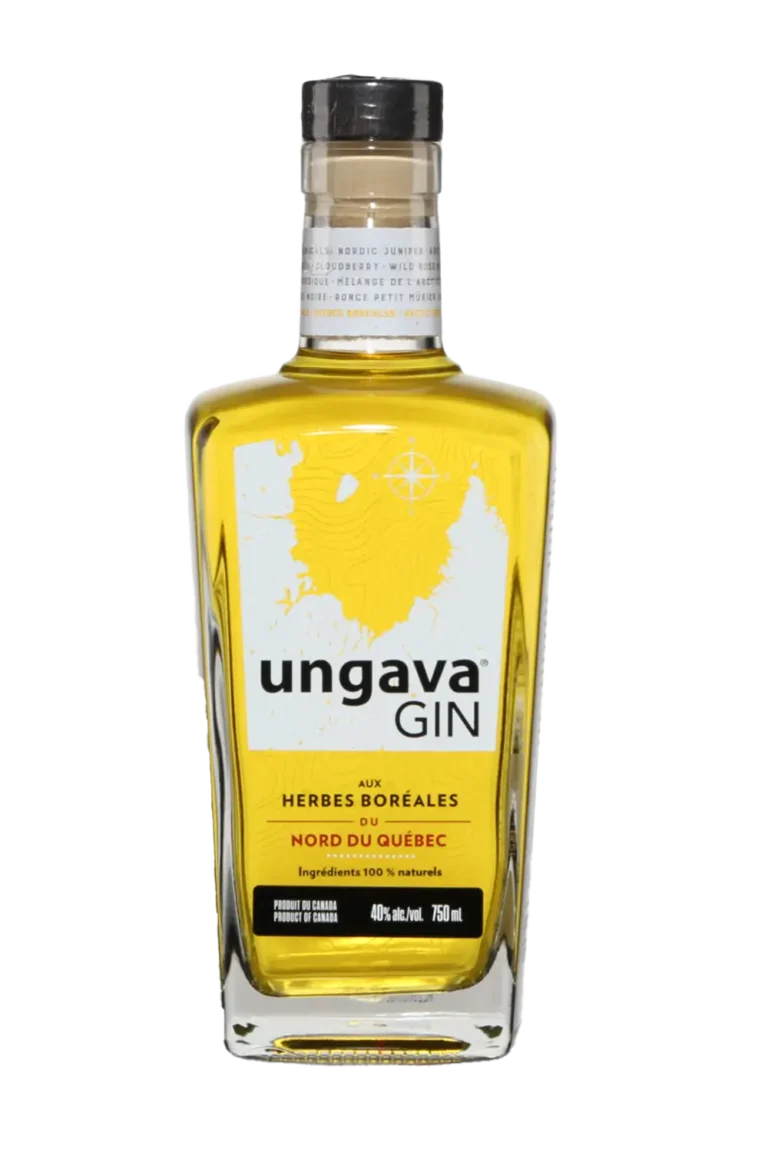
Ungava Distillery
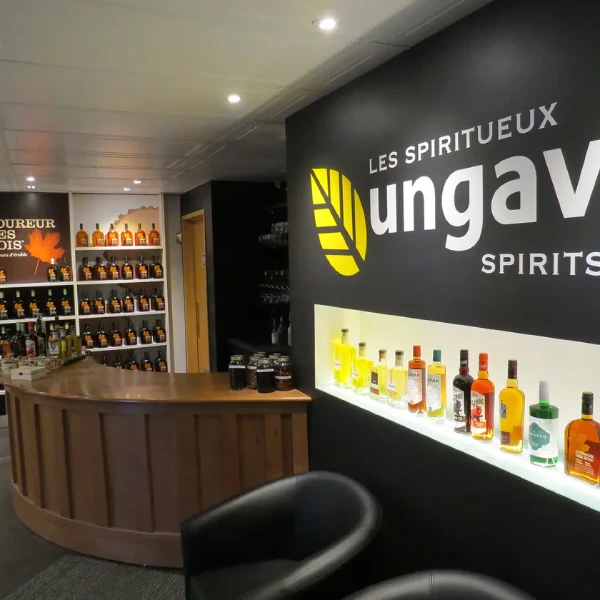
Based in Cowansville in the Eastern Townships, Ungava Distillery is a Quebec benchmark renowned worldwide. Its artisanal spirits, crafted in small batches with native botanical ingredients, blend consistent excellence with the celebration of distinctive Quebec flavors.
WHY REUSE GLASS?
A profitability story
Avoiding the purchase of new bottles is, first and foremost, a matter of cost savings. The current challenge is that producers lack control:
- Over the vast majority of their production, which is outsourced to European and Asian suppliers.
- Over their distribution outsourced to the “Société des alcools du Québec (SAQ)”.
By reusing glass, Quebec producers rely on performance drivers within their control, such as washing loss rates, bottle collection rates, shared storage costs, eco-design of packaging, and many others.
We conducted an in-depth analysis of the financial impact of this measure across more than 30 Quebec producers, and the outcome is clear: the project is profitable and in some cases, highly profitable for 100% of them.
A matter of sovereignty
Currently, most Quebec distilleries import their bottles from Europe and China. Consequently, they are exposed to the price volatility of glass and international maritime freight.
Maritime transport:
Beyond having completely unpredictable costs, maritime freight carries serious climate and social dependency risks.
Producers face:
Pandemics and strikes, which have halted their supply chains for several weeks.
Dropping water levels in the St. Lawrence River, gradually reducing freight shipping capacity.
Additional customs inspection costs, which, for the most unfortunate, can triple their maritime freight expenses.
Maritime transport prices experienced significant volatility over the same period:
FBX Index - Global container freight index, first week of January of each year
Glass price fluctuations:
Glass costs have risen continuously, climbing by 55% over the past 10 years. Producers absorb this increase directly, and it is reflected in their production costs.
From 2016 to 2026, the price of glass containers in Canada multiplied by 1.55:
Industrial product price index, glass containers (47431), Canada
Climate ambition
Quebec producers are largely driven by environmental interest. They want to take action to reduce their environmental footprint and are already doing so by fully internalizing their production (from grain to glass), implementing circular economy strategies (resource reuse), and prioritizing local supply chains.
Producers want to keep reducing their environmental footprint, but they face significant financial constraints. Reusing glass enables them to act for the common good while protecting their profit margins.
HOW REUSE IS IMPLEMENTED?
The general principle of the circular economy
Not all circular economy strategies are created equal. One way to prioritize the available options is to compare the steps required to fulfill the same function: in this case, bottling Quebec spirits.
- Linear loop: This is the system used when glass is not recycled. At the end of its life, the glass serves no further purpose and is generally sent to landfill. This was the case for 8.7% of glass containers in Quebec in 2024.
- Recycling: Recycling these containers involves crushing the glass and remelting it to manufacture new bottles, replacing virgin raw materials. This avoids the extraction of new resources. This process occurs when a bottle is placed in a curbside recycling bin and applies to the majority of containers returned through the deposit-refund system.
- In 2024, 50.8% of glass beverage packaging by weight was recycled. The average producer fee for this system in 2026 is $0.36 per bottle.
- Starting in March 2027: all glass beverage containers will be collected by the AQRCB. The processing fee for these containers will be $0.04 per bottle.
- Reuse: This is the objective of the Consigne 27 project. Glass bottles returned through the deposit-refund system are washed and placed back on the market. This approach preserves the full value of the packaging by giving it a second life in the same form and for the same function. The processing fee for these containers charged by the AQRCB is $0.02 per bottle.
Pilot Projects
Distilleries are joining forces to test and integrate the new container-reuse system ahead of schedule.
The pilot projects aim to:
- Ensure the registration process converts single-use containers (CRU) to refillable containers (CRM). Note that Consignaction will only collect CRM containers.
- Test cleaning solutions tailored to each container. Because every distillery uses distinct bottle designs, addressing specific characteristics. Such as paint, screen printing, neck bands and labels.
- Establish reliable washing solutions and share costs among participating producers.
- Validate financial and environmental gains to prepare for a large-scale launch in 2027.
01
Collection and storage of containers
02
Transport to washing facility
03
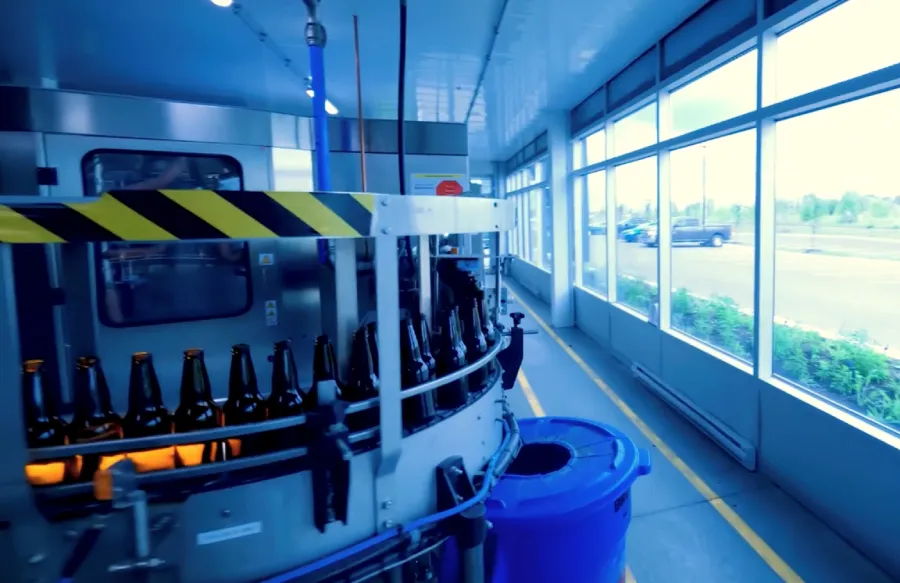
Sorting and washing of bottles
04
Return of bottles
05
Reuse of bottles
Les défis techniques
Nos partenaires pour développer les solutions :
- Nous travaillons avec l’Imprimerie Sainte-Julie et Étiquette PDF pour proposer les meilleures solutions pour faire tomber les étiquettes au lavage.
- Le Maître de l’Emballage Durable (LMED) un centre de lavage de bouteilles bien établi à proximité de Mont Saint-Bruno met à disposition ses compétences techniques et sa technologie avancée pour laver les contenants avec précision et respect des normes.
- Le cabinet de conseil Sustainscale, assure la coordination et le suivi du projet. Nous assurons également les communications avec Consignaction.
- Nous poursuivons les discussions avec FRANCHIR et Spirits Canada, experts en relations publiques, qui permettront de valoriser les distilleries participantes.

Le respect des règles de Consignaction
Nos rencontres avec Consignaction donnent une direction claire :
- Consignaction ne ramènera en 2027 aux producteurs que les contenants identifiés comme étants des CRM (Contenants à Remplissage Multiple).
- Consignaction deviendra propriétaire des contenants mis sur le marché.
- Consignaction ne peut favoriser un producteur plutôt qu’un autre ou un contenant plutôt qu’un autre.
Ce que ceci veut dire pour les producteurs québécois :
- Il faut démontrer scientifiquement que les contenants (spécifiques à chaque distilleries) sont bel et bien des CRM pour qu’ils puissent récupérer leurs bouteilles.
- Il faut commencer avant mars 2027 car une fois que Consignaction devient propriétaire des contenants, récupérer un nombre suffisant de contenants pour démontrer que ces derniers sont des CRM deviendra beaucoup plus complexe.
- Consignaction a pour obligation de ramener les CRM, il le fait pour les brasseries, il le fera également pour les distilleries ou vignobles.


HOW TO JOIN THE MOVEMENT?
Your bottles can be reused too.


Join the project as a distillery
The Consigne 27 project covers multiple objectives:
Before March 2027:
- Ensure the transition from single use to refillable containers for each producer.
- Develop tailored technical solutions for washing, transport, and storage for each distillery.
- Pool costs across participating producers.
- Coordinate pilot projects.
Starting in March 2027:
- Secure large-scale deployment in March 2027.
- Promoting participating producers to the general public and at the SAQ.
- Secure system-level changes with Recyq-Québec to optimize the project.
- Ensure ongoing financial and environmental tracking of operations for each distillery.
Become a project partner
If you would like to support the project, share your expertise, or help the industry transition to glass reuse, please reach out to us.

Contact Us
If you want to grow your business sustainably and responsibly, have questions about our services, or would like to explore a partnership, please get in touch with us.